


Now Reading: Special Parliament session from today: Delimitation bill, women’s quota, Lok Sabha strength in focus
-
01
Special Parliament session from today: Delimitation bill, women’s quota, Lok Sabha strength in focus
Special Parliament session from today: Delimitation bill, women’s quota, Lok Sabha strength in focus

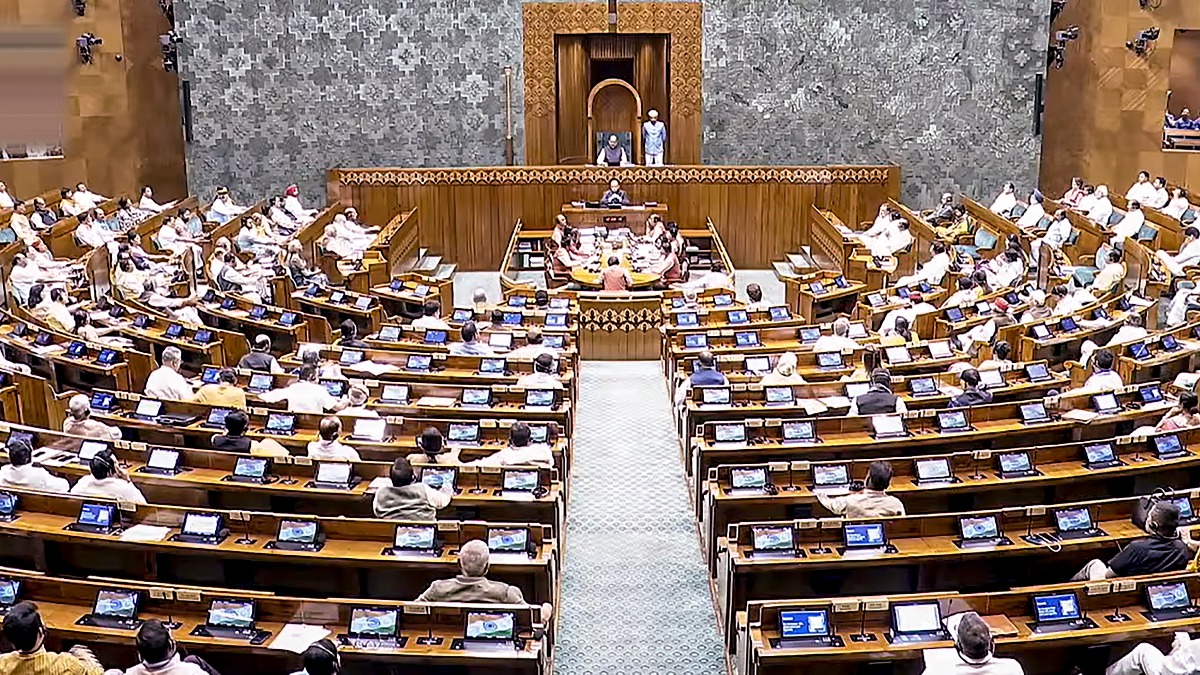
New Delhi: The government will hold a special three-day session of Parliament starting Thursday to introduce three key bills aimed at reshaping India’s electoral framework and representation system. The session will focus on the Constitution (One Hundred and Thirty-First Amendment) Bill, 2026, the Delimitation Bill, 2026, and the Union Territories Laws (Amendment) Bill, 2026. These bills seek to enable a new delimitation process based on updated Census data, increase the Lok Sabha’s strength, and implement the one-third reservation for women.
The main bill in the session is the Constitutional Amendment Bill, which aims to implement the 33 per cent reservation for women in the Lok Sabha and state assemblies. Although the women’s reservation law was passed in 2023, its implementation has been delayed pending a new delimitation exercise. The government plans to amend relevant provisions to ensure the reservation is in place before the 2029 Lok Sabha elections.
The Opposition has criticised the proposed delimitation, calling for its postponement until the 2021 Census data, expected in 2027, is available. They have expressed concerns about using the 2011 Census as the basis. The Constitution (131st Amendment) Bill seeks to update constituency allocation using the 2011 Census to end the freeze on constituency sizes, reflecting demographic changes due to migration and urbanisation.
DON’T MISS | Parliament session: Will Lok Sabha seats go up from 543 to 850? What we know so far
The Delimitation Bill, 2026, proposes a fresh delimitation exercise to account for population changes and reservation needs, potentially increasing the Lok Sabha seats from 543 to about 850. The Union Territories Laws (Amendment) Bill, 2026, aims to adjust legal provisions to align with these changes, including seat allocation for Union Territories.
The broader goal is to implement the Women’s Reservation Act, also known as the Nari Shakti Vandan Adhiniyam. The government intends to fast-track the process to enforce the quota by the 2029 elections. Prime Minister Narendra Modi has called for political support, stressing the importance of implementing the law in its true spirit.
Opposition parties have raised concerns about the delimitation exercise, warning it may disadvantage southern states with stable population growth. Regional parties like the DMK have expressed worries about disruptions to the federal balance and plan protests against the exercise. Questions have also been raised about the timing of the special session, with claims of political motives behind the proposed changes.
Opposition leaders, including Congress president Mallikarjun Kharge, have decided to oppose the delimitation provisions while supporting women’s reservation in principle. They argue the government’s approach is politically motivated and plan to vote against the delimitation exercise.
The special session is expected to see intense debate, with outcomes that could affect India’s electoral map, federal balance, and political representation.
Related Posts


Stay Informed With the Latest & Most Important News
Previous Post
Next Post


-
 01’آپریشن بام‘ نے بلوچستان کو تباہی کے منھ میں دھکیل دیا، 4 دنوں میں ہوئے تقریباً 70 حملے!
 -
 02Unidentified body found in power canal at Kangan, probe underway
 -
 03What Trump’s Embrace of Crypto Has Unleashed
 -
 04چندر شیکھر آزاد کے یومِ شہادت پر وزیر اعظم نریندر مودی اور کانگریس قیادت کا خراجِ عقیدت
 -
 05ریڈیو میکینک کے بیٹے نے ناکامیوں سے جنگ لڑ کر کھڑی کر دی آئی ٹی کمپنی ’فلنٹ ڈی اورینٹ‘
 -
 06Robinhood shares rise despite Connecticut cease-and-desist order
 -
 07اقوام متحدہ سلامتی کونسل ایران کے جوہری معاہدے میں توسیع کی قرارداد منظور کرنے میں ناکام