


Now Reading: India’s brutal summer is revealing a hidden climate crisis beyond people
-
01
India’s brutal summer is revealing a hidden climate crisis beyond people

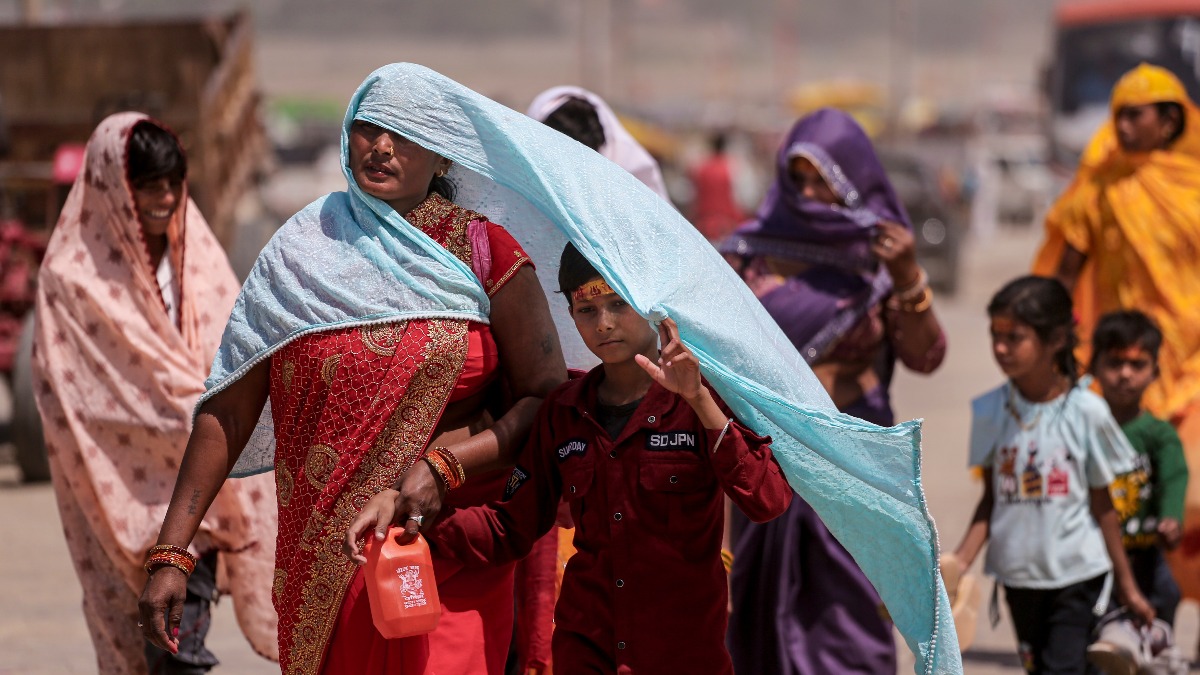
As India swelters through another summer of relentless heatwaves, the impact of rising temperatures is becoming impossible to ignore. But while much of the attention is focused on human health, power shortages and economic losses, scientists warn that extreme heat is also pushing Earth’s natural systems to their limits.
A recent analysis highlights a growing reality: heat is no longer just a weather event. It is a planetary stressor affecting wildlife, forests, rivers, oceans and even the Arctic, with consequences that could reshape ecosystems for decades.
Wildlife running out of options
For many species, survival depends on staying within a narrow temperature range. As heatwaves become more frequent and intense, animals are being forced to migrate, alter their behaviour or face declining populations.
Scientists estimate that by 2050, nearly three-quarters of today’s land-based animal habitats could be exposed to extreme heat. Insects, vital for pollination and nutrient cycling, are among the most vulnerable, raising concerns about ripple effects across entire ecosystems.
Ground beneath our feet is changing
Heat is also damaging one of nature’s most important resources: soil.
Higher temperatures dry out soil, reduce organic matter and disrupt the microbes that keep ecosystems functioning. Healthy soil stores carbon, retains water and supports biodiversity. As it degrades, farms become less productive and landscapes become more vulnerable to drought.
The effects are already being felt across global food systems.
Extreme heat is reducing crop yields, stressing livestock and disrupting fisheries. Farmers are facing higher water demands and growing uncertainty, while more than a billion people who depend on agriculture for their livelihoods are increasingly exposed to heat-related risks.
Rivers are heating faster than air
The crisis is not limited to land. Some rivers are warming faster than the atmosphere itself, pushing water temperatures beyond what many fish and aquatic species can tolerate.
Warmer water contains less oxygen, increasing the risk of fish deaths, ecosystem collapse and harmful algal blooms. For communities that depend on freshwater resources, the implications are significant.
Forests act as some of the planet’s most powerful climate regulators, absorbing carbon and stabilising weather patterns. But prolonged heat and drought are weakening their resilience.
From increased wildfire risk to pest outbreaks and disease, forests are facing mounting pressure. In regions such as the Amazon, scientists have observed worrying signs that ecosystems are becoming less capable of recovering from climate shocks.
Even the Arctic isn’t safe
The world’s coldest regions are warming at an alarming pace.
Longer and more intense Arctic heatwaves are accelerating the loss of sea ice, glaciers and permafrost. As frozen ground thaws, it can release additional greenhouse gases into the atmosphere, creating a dangerous feedback loop that fuels even more warming.
The oceans soak up much of the excess heat generated by global warming, but they are increasingly showing signs of stress.
Marine heatwaves are becoming more common, triggering coral bleaching, disrupting fish migration and altering entire marine food chains. Scientists warn that repeated heat events could permanently transform some ocean ecosystems.
Why heat is a ‘risk multiplier’
Extreme heat doesn’t act alone. It amplifies existing challenges across energy, water, agriculture and public health.
As temperatures rise, electricity demand surges while power systems become less efficient. Water supplies come under pressure just as demand increases. The result is a cascade of interconnected risks that extend far beyond a single heatwave.
For countries like India, where extreme heat is becoming a recurring feature of summer, the warning is clear. The climate crisis is not only about protecting people from rising temperatures. It is also about safeguarding the ecosystems that provide food, water, clean air and climate stability.
Related Posts


Stay Informed With the Latest & Most Important News
Previous Post
Next Post

-
 01سانے تکائیچی ’لبرل ڈیموکریٹک پارٹی‘ کی نئی صدر منتخب، ملک کی پہلی خاتون وزیر اعظم بننے کی راہ ہموار
 -
 02CM Omar as HC quashes Malik’s PSA detention
 -
 03Shri Machail Mata Ji Temple reopens: Div Com, IGP Jammu pay obeisance at Revered Shrine
 -
 04Delegation visits state-of-the-art Vizhinjam International Seaport
 -
 05Jammu Kashmir Girl Scales Mount Everest with ITBP All-women Team | Kashmir Life
 -
 06Red flag for Washington: Asim Munir’s deep ties with IRGC ring alarm bells in US
 -
 07Is The Worst Over For IndiGo? | Market expert Arun Kejriwal Says Caution Still Needed